This is the testing/development version of the Koch Institute website.

News

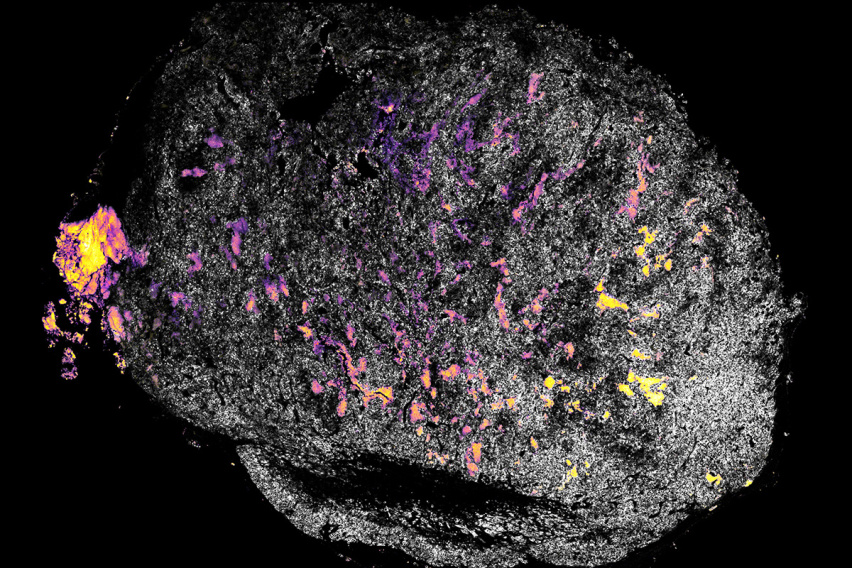
a tumor imaged after treatment, stained pink for IL12 and yellow for alum

Alum for the Ride

MIT News

Irvine and Wittrup lab researchers have developed a technique to make cytokine therapy less toxic. These immunostimulatory molecules are quite potent and can have devastating side effects if administered systemically. In a preclinical study appearing in Nature Biomedical Engineering and supported in part by the Marble Center for Cancer Nanomedicine, the researchers anchored the cytokines to tumors with aluminum hydroxide, a compound that is often used to make vaccines more effective. They then administered immune checkpoint blockade therapy, observing that the tumors were eliminated in 50 to 90 percent of the mice across three cancer types. The technology has been licensed to a startup company that hopes to begin clinical trials by the end of the year.

Filter by

Filter by Title/Description

Filter by Topic

Filter by Year

The Mighty Mighty Ketones

MIT News

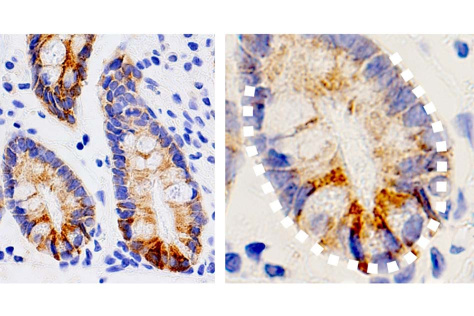
Ketone bodies—molecules produced by the breakdown of fat—promote the regeneration of stem cells in the intestinal lining, according to new work from the laboratory of Ömer Yilmaz. In a study appearing in Cell, researchers found that intestinal stem cells produced unusually high levels of ketone bodies, even in the absence of a ketogenic (high-fat) diet, and that these molecules stimulate the Notch pathway to boost stem cell production. Comparisons of diets in mice suggest that ketogenic diets may help repair damage to the intestinal lining, which can occur in cancer patients receiving radiation or chemotherapy. This research was supported in part by the Koch Institute Frontier Research Program through the Kathy and Curt Marble Cancer Research Fund, the MIT Stem Cell Initiative, and The Bridge Project, a collaboration between the Koch Institute and Dana-Farber/Harvard Cancer Center.

Turning the 'Phage on Chemotherapy

Cancer Immunotherapy Research

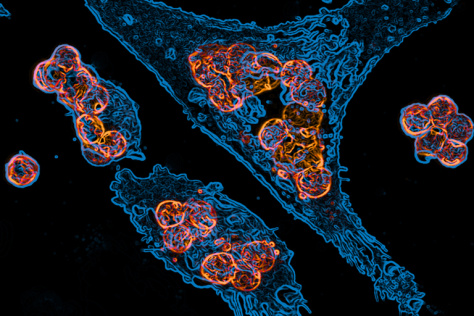
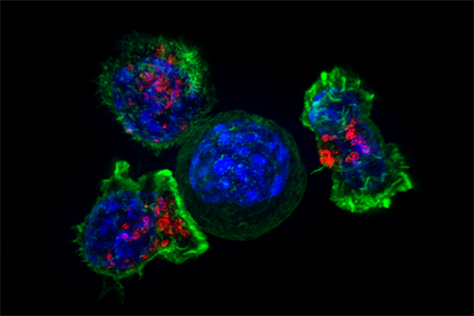
A subset of white blood cells known as macrophages play a central role in the ridding the body of unwanted cellular threats. However, some microenvironments can render macrophages inactive. Chen Lab researchers, in collaboration with investigators at the University of Southampton, set out to combat bone marrow-resident tumors that are generally resistant to treatment. They demonstrated that low doses of cyclophosphamide chemotherapy activated macrophages when combined with therapeutic antibodies. The combination cleared bone marrow-resident tumor cells, such as B cell lymphoma and breast cancers. The results, published in Cancer Immunotherapy Research, suggest that treating cancer patients with low-dose chemotherapy will not only kill tumor cells directly, but could also aid in immunotherapy via macrophage activation in resistant organs. The immunotherapeutic potential of macrophages was featured in the KI’s 2016 Image Awards exhibition.

In Remembrance: David H. Koch (1940-2019)

MIT Koch Institute

MIT alumnus and MIT Corporation life member emeritus David H. Koch has died at age 79. After receiving the SB (1962) and SM (1963) in chemical engineering at MIT, Koch joined his family’s business, Koch Industries, in 1970. He became president of Koch Engineering in 1979 and served as executive vice president of Koch Industries until he retired for health reasons in 2018.

Koch’s death follows a long battle with prostate cancer, first diagnosed in 1992. Koch has said his experience with the disease encouraged him to become a “passionate crusader” for cancer research. The Koch Institute for Integrative Cancer Research stands as a legacy to that passion. His $100 million gift in 2007 enabled MIT to establish the Koch Institute for Integrative Cancer Research and begin construction of its home in Building 76, where scientists and engineers work together under one roof in pursuit of powerful, new ways to diagnose, treat, and ultimately prevent cancer.

“David’s magnificent gift paved the way for our building, for numerous professorships held by our faculty, and for our unique approach to cancer research,” said Tyler Jacks, director of the Koch Institute and David H. Koch Professor of Biology. “I will always be profoundly grateful for his vision and generosity.

The Condense-ated Version

MIT Koch Institute

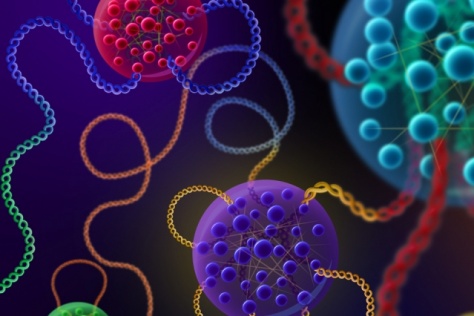
Two new studies from the laboratories of KI members Richard Young and Phillip Sharp give a clearer picture of how specialized droplets called condensates may govern the transcription—or conversion—of DNA into RNA. Transcription relies on the coordination of multiple molecules and processes to orchestrate gene activity and regulation. Emerging research into the mechanisms behind these functions point to condensates as a key element in facilitating the necessary interactions.

In a Molecular Cell study, researchers found that weak interactions among disordered regions of transcription factors and other molecules may help determine whether a condensate forms at a stretch of DNA that regulates gene activity. Read more

A Nature study found that separate condensates form for transcription initiation and for splicing and transcriptional elongation, and that the phosphorylation of RNA polymerase II (one component of the transcription machinery) changes a protein’s affinity for one condensate type or the other. Read more.

Young and others have formed a company called Dewpoint Therapeutics to translate condensate biology into potential treatments for a wide variety of diseases, including cancer.

Nothing But Blue Skies

American Institute of Chemical Engineers

The American Institute of Chemical Engineers (AIChE) endowed a fellowship program in the name of David H. Koch Institute Professor Robert Langer. The new Langer Prizes for Innovation and Entrepreneurial Excellence award unrestricted grants of up to $100,000 to researchers in pursuit of "blue sky" ideas, with preference to those working in chemical and biological engineering. “It is my wish that these fellowships will help future innovators to achieve the big dreams — dreams that can make the world a better place,” said Langer in a video statement. The first recipients will be announced in September. 

Curiosity: A Tribute to Steven Keating

MIT Koch Institute

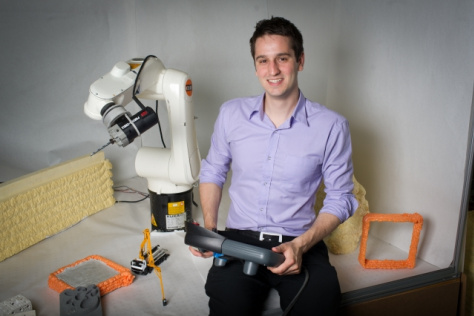
With deep admiration for his ready and profound intellectual curiosity, the Koch Institute notes the passing of Steven Keating SM ’12, PhD ’16, from brain cancer at the age of 31. Then a graduate student in mechanical engineering, Keating spoke about his experience with cancer as part of the Koch Institute’s with/in/sight public lecture series in 2014, shortly after surgery to remove a baseball-sized tumor from his brain.

Like many at MIT, he loved data, and he collected a great deal of his own—everything from scans to sequencing information, including 3D computer analyses he used to fabricate models of his own tumor and pilot a technique for faster, cheaper, and better modeling. In fact, it was the IDH mutation revealed by his tumor biopsy that led Keating to the Koch Institute, where Matthew Vander Heiden and Bridge Project collaborators are using 2HG, an ongogenic metabolite produced by mutant IDH, as a biomarker to detect and monitor IDH-mutant cancers. Citing the role knowledge of his previous MRI scans played in his timely diagnosis, Keating became a passionate advocate for patients to have better access to their own health information and for open-sourcing patient data to advance research on cancer and other diseases. 

The Hitchhiker's Guide to Immunotherapy

MIT News

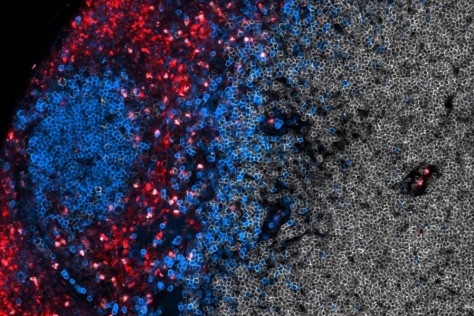
It's no Ford Prefect, but this is one CAR-T that's going places. New research from KI and Marble Center for Cancer Nanomedicine member Darrell Irvine and fellow immune engineer Dane Wittrup, published in Science, takes advantage of the Irvine Lab's hitchhiking vaccine technology to turbo-charge T cells. By stimulating engineered cells' CARs (chimeric antigen receptors) inside the lymph node, the repurposed vaccine was able to activate and expand the population of tumor-killing T cells for a variety of cancer types, including solid tumors for which immunotherapy has previously proven ineffective. The technology has been licensed to biotechnology company Elicio Therapeutics and is expected to begin clinical tests within the next few years. So long and thanks for all the antigens!

Synergy Sleuths

MIT News

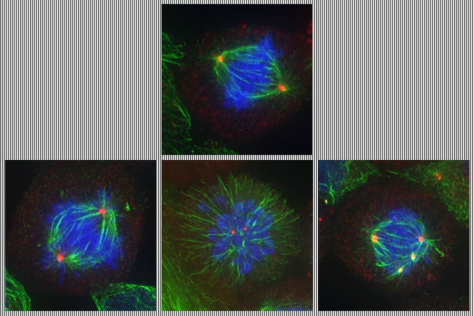
The Yaffe Lab developed a software program to solve a veritable whodunnit behind a surprisingly powerful new combination of cancer drugs. Hoping to complement the DNA-damaging effect of PLK1 inhibitors, researchers tested a MTH1 inhibitor, a type of drug known to block DNA repair, and found the combination killed far more cancer cells than either drug alone without disrupting healthy cells. However, they could not confirm that the combination attacked the cancer cells' DNA repair pathways. To identify a more likely suspect, the researchers developed a program that analyzes gene expression data to track down the cellular pathways most affected by the drugs. In this case, their new analytical tool revealed that both drugs targeted the formation of the mitotic spindle during cell division, albeit in different ways. Their findings, published in Cell Systems, could accelerate the clinical use of these inhibitors for combination cancer therapy. The work was funded in part by the MIT Center for Precision Cancer Medicine, the Charles and Marjorie Holloway Foundation, and The Bridge Project.

Angelika Amon Named 2019 "Great Immigrant"

MIT News

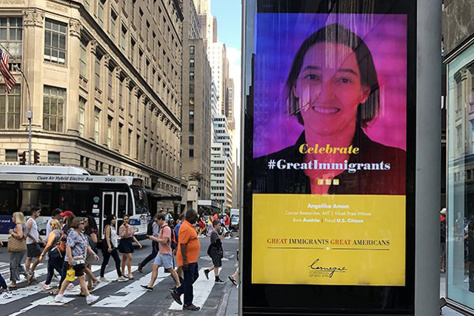
Many congratulations to Angelika Amon, the Kathleen and Curtis Marble Professor in Cancer Research, on being named to the Carnegie Corporation of New York's 2019 list of Great Immigrants, Great Americans. Released every July 4th, the list celebrates naturalized U.S. citizens who “strengthen America’s economy, enrich our culture and communities, and invigorate our democracy through their lives, their work, and their examples.” Amon, originally from Austria, made the list for her work on cell growth and division and how errors in this process contribute to cancer, aging, and birth defects.

Unmasking Mutant Cancer Cells

Clinical Cancer Research

Researchers in the Jacks and White Laboratories have identified a new dosing routine for a well-studied class of anti-cancer drugs that makes tumor cells more easily recognizable to the immune system. The team found that trading traditional bolus dosing for sustained, low-level dosing of heat shock protein (HSP) inhibitors increased the number of mutated protein fragments presented on the surfaces of tumor cells. Their approach, described in Clinical Cancer Research, could improve immunotherapy's effectiveness across more cancer types with fewer side effects and reinvigorate clinical investigations of promising HSP inhibitors. The research was inspired by and builds on work, partly supported by the Koch Institute Frontier Research Program, of late MIT biologist and KI member Susan Lindquist.