PNAS
August 29, 2018
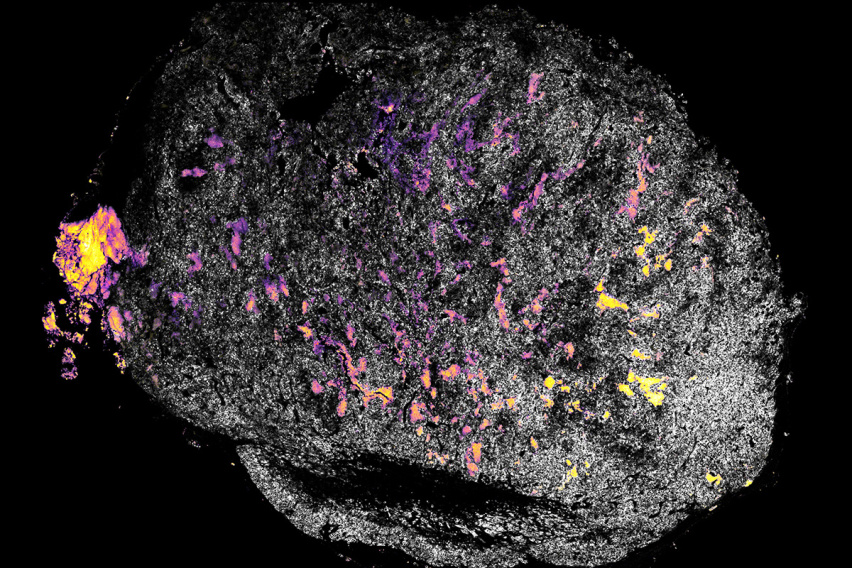
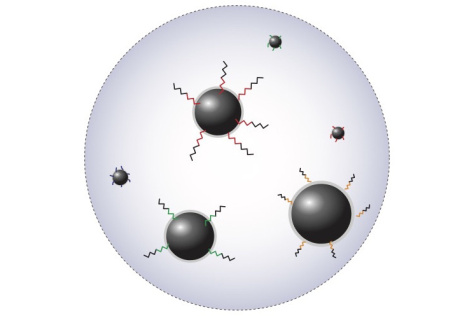
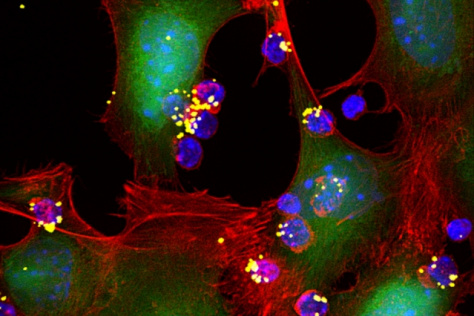
The Bhatia Lab is developing a library of activity-based nanosensors (ABNs) for proteases identified in prostate cancer. These injectible biosensors offer a new paradigm for diagnosis and classification of aggressive prostate cancer, through the production of prostate cancer biomarkers with a noninvasive readout. After screening human data for overexpression of proteases in prostate cancer samples vs normal adjacent tissue, the researchers modified a subset of the ABNs with tumor-penetrating peptides that target overexpressed integrins to increase their sensitivity. These modified sensors robustly classified mice bearing an aggressive prostate cancer xenograft compared to mice bearing a less-aggressive xenograft. Their results, published in PNAS, suggest a viable alternative to the current gold standard biomarker, known as PSA, which, in many cases, has poor predictive value and a relatively high propensity for false positives.