This is the testing/development version of the Koch Institute website.

News

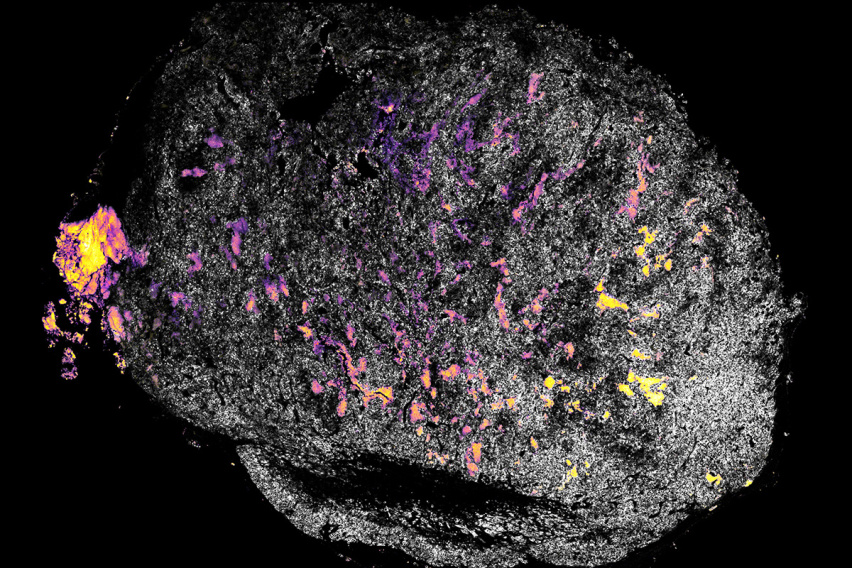
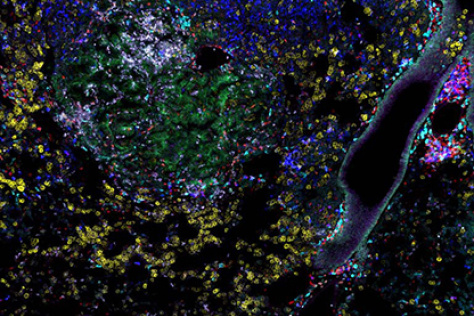
a tumor imaged after treatment, stained pink for IL12 and yellow for alum

Alum for the Ride

MIT News

Irvine and Wittrup lab researchers have developed a technique to make cytokine therapy less toxic. These immunostimulatory molecules are quite potent and can have devastating side effects if administered systemically. In a preclinical study appearing in Nature Biomedical Engineering and supported in part by the Marble Center for Cancer Nanomedicine, the researchers anchored the cytokines to tumors with aluminum hydroxide, a compound that is often used to make vaccines more effective. They then administered immune checkpoint blockade therapy, observing that the tumors were eliminated in 50 to 90 percent of the mice across three cancer types. The technology has been licensed to a startup company that hopes to begin clinical trials by the end of the year.

Filter by

Filter by Title/Description

Filter by Topic

Filter by Year

A Perfect 10 for 2020

MIT Koch Institute

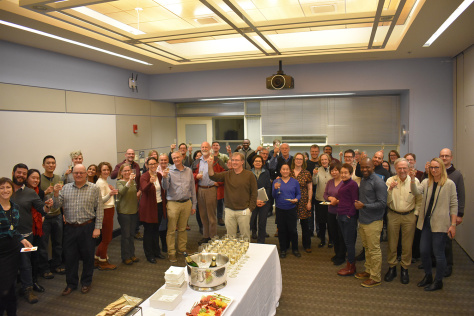
The Koch Institute is ringing in the New Year with a 10/10—again! For more than a year, the Koch Institute community has been working on the renewal process for our Cancer Center Support Grant from the National Cancer Institute. Since MIT’s then-nascent Center for Cancer Research was distinguished as an NCI-designated Cancer Center in 1974, the grant has been recompeted every five years, requiring an extensive written application (more than 1,000 pages!) and an intense site visit. Given the vulnerability of federal research funding, there are no guarantees of success. Yet not only has the Koch Institute’s grant been formally approved for renewal, but it was given a perfect score of 10. We received the same score at our last recompete, in 2014. Join us in raising a glass to our faculty members, trainees, technicians, and staff who worked so hard to put the grant together and to defend it during the site visit!


Mind Your PNAS QnAs

MIT Koch Institute

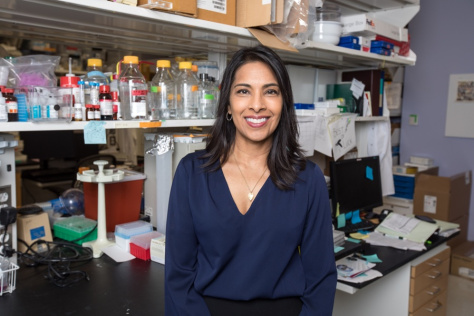
PNAS queries Sangeeta Bhatia, director of the Marble Center for Cancer Nanomedicine, on her work building protease-based diagnostic tools, including probes—potentially delivered by a nebulizer—that distinguish between benign and malignant lung nodules. Other highlights include diagnostic tools for pneumonia and a rare genetic disease called α-1 antitrypsin deficiency.

Science Nonfiction Double Feature

MIT Koch Institute

Two Langer Lab devices aim to improve global health. A monthly capsule could provide a more reliable and discreet form of contraceptive, particularly for women in developing countries. A quantum dot dye stores vaccination history under the skin’s surface to help improve vaccination rates in areas where medical records are often missing or nonexistent.

Better Foundations for Breast Cancer Diagnostics

MIT Koch Institute

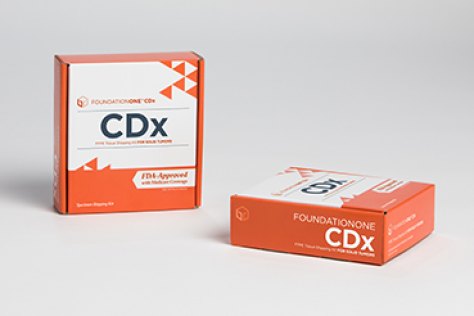
Foundation Medicine, co-founded by KI member Eric Lander, reports two advances in breast cancer diagnostics. The FDA approved the FoundationOne CDx test to select patients for treatment of HR+/HER2- breast cancer with PIK3CA mutations. In a clinical study, the company’s FoundationOne liquid biopsy test accurately predicted the risk of recurrence for early-stage triple-negative breast cancer. 

Amon Fights Back Against Dysfunction

MIT Spectrum

Angelika Amon, the Kathleen and Curtis Marble Professor in Cancer Research, is taking aim at both cell dysfunction and imprecise language in her investigations of aging, cancer, and Down syndrome. Spectrum explores how Amon’s research is driven by the pursuit of clear, simple “grandma-friendly” questions that link basic biology to human health.

Homing in on Hypoxia

MIT Spectrum

Inspired by a desire to work on pressing, unaddressed medical needs, Cima Lab postdoc Greg Ekchian is developing a way to measure oxygen levels in tumors in order to improve cancer treatment. Until now, clinicians have been unable to quickly assess tumor tissue for areas of hypoxia (oxygen deprivation). Hypoxic areas can drive chemoresistance, but respond to high-dose radiation. Working with clinical collaborators through the Bridge Project, Ekchian is testing the strategy in a pilot trial of cervical cancer patients. In another project supported by the Koch Institute Frontier Research Program, he is developing a more advanced version of the original device.

Cancer, à la Carte

MIT Tech

The Tech puts the spotlight on the Vander Heiden Lab, where researchers are seeking to starve out cancer cells. Cancer cells adapt normal metabolic processes to support proliferation, becoming dependent on specific nutrients. By identifying which nutrients are on the menu, the team hopes to target specific, treatment-resistant cancer cells for starvation. 

Treg-ulating Immunosuppression in Cancer

Cell Reports

New research from the Jacks and Regev Labs—led by former graduate student Amy Li, whose work was partly supported by a Margaret A. Cunningham Immune Mechanisms in Cancer Research Fellowship—uncovers how immune cells called Tregs can promote immunosuppression in cancer. Using single-cell RNA sequencing to longitudinally profile changes in Tregs in a mouse model of lung cancer, the study points to the role of a specific immune cell receptor and highlights potential paths for therapeutic intervention. 

KI Gets Two Therapeutic Thumbs Up

MIT Koch Institute

New startup Immunitas Therapeutics combines immunology and genetic targeting to stop tumors with a platform incorporating Bridge Project research by Aviv Regev, Mario Suvà, Dane Wittrup, and Kai Wucherpfennig. 

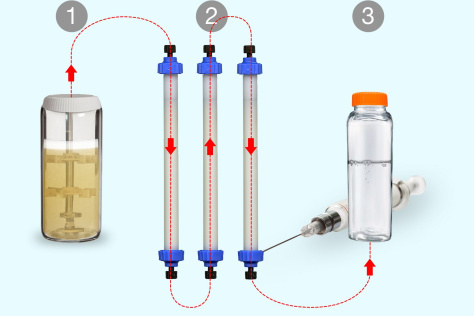
Sunflower Therapeutics will develop the Love lab’s nimble technology to dramatically reduce the time and cost to develop and manufacture biologics for patients around the world, from orphan diseases to areas without healthcare infrastructure. 

A Farewell to ARMS?

MIT News

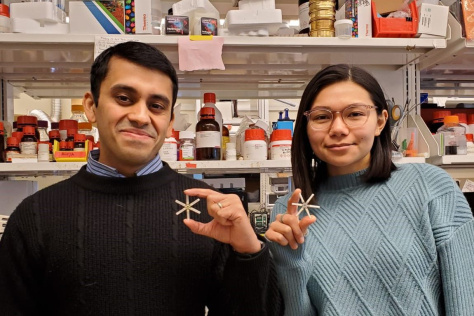
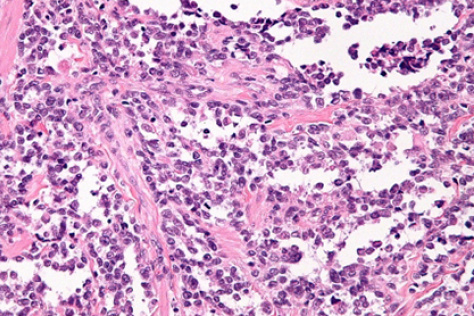
Fusion-positive alveolar rhabdomyosarcoma (ARMS) is a rare, deadly, and poorly understood skeletal muscle cancer. Thanks, however, to a high-risk, high-reward grant from the Cancer Moonshot Initiative, this pediatric cancer faces a new adversary in KI member Angela Koehler. As part of a multi-institutional team, Koehler will use her signature microarray technology to screen for potential compounds that target the so-called “undruggable” fusion oncoproteins responsible for ARMS. The work is expected to open up new therapeutic opportunities for patients and inform drug development strategies for other challenging “orphan diseases.”