This is the testing/development version of the Koch Institute website.

News

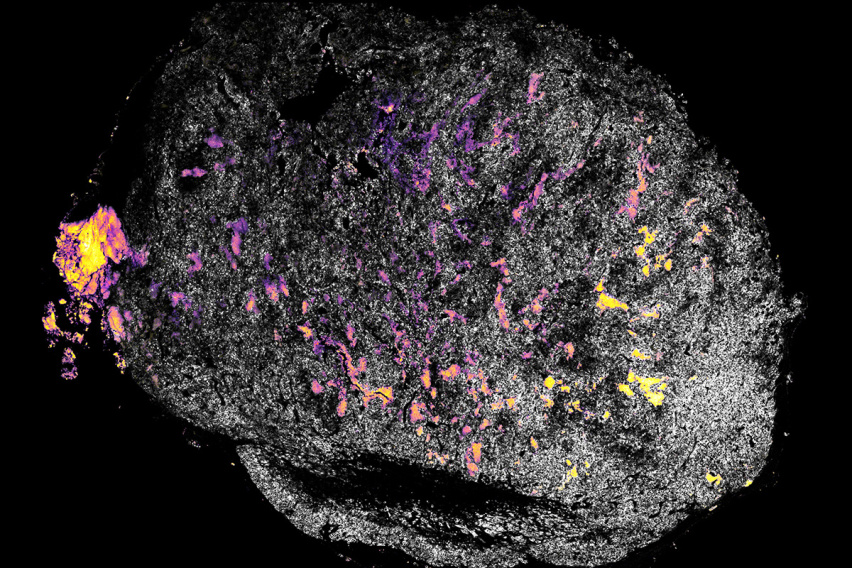
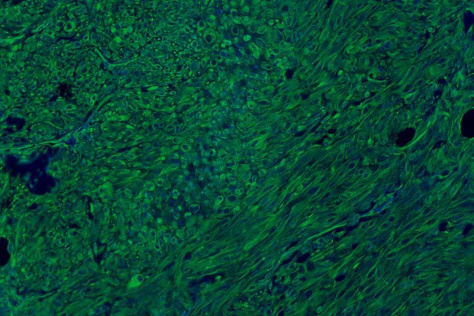
a tumor imaged after treatment, stained pink for IL12 and yellow for alum

Alum for the Ride

MIT News

Irvine and Wittrup lab researchers have developed a technique to make cytokine therapy less toxic. These immunostimulatory molecules are quite potent and can have devastating side effects if administered systemically. In a preclinical study appearing in Nature Biomedical Engineering and supported in part by the Marble Center for Cancer Nanomedicine, the researchers anchored the cytokines to tumors with aluminum hydroxide, a compound that is often used to make vaccines more effective. They then administered immune checkpoint blockade therapy, observing that the tumors were eliminated in 50 to 90 percent of the mice across three cancer types. The technology has been licensed to a startup company that hopes to begin clinical trials by the end of the year.

Filter by

Filter by Title/Description

Filter by Topic

Filter by Year

The Companies They Keep

MIT News

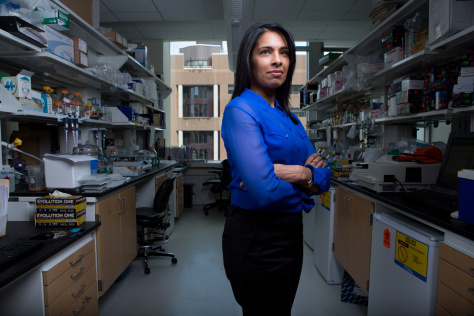
The Future Founders Initiative is off and running, making important strides to increase the number of woman-founded companies in biotech. Led by KI members Sangeeta Bhatia and Harvey Lodish, the initiative builds on Bhatia's recent work with Susan Hockfield and Nancy Hopkins around gender disparities in entrepreneurship, focusing on networking and community building.

Breaking Through Cancer: Collaborative translational research goes nationwide

MIT Koch Institute

Break Through Cancer announced its formal launch as a public foundation designed to find new solutions to the most intractable challenges in cancer. Led by Dr. Tyler Jacks, the David H. Koch Professor of Biology and Founding Director of the Koch Institute for Integrative Cancer Research at MIT, Break Through Cancer will fund and support collaborative research teams drawn from several of the country’s top cancer centers.

Behind the Vaccines

MIT Technology Review

Beneath every great biotech innovation lies many years of research. KI members Phil Sharp and Robert Langer reflect on the early days of RNA discovery and innovation in a Tech Review feature by MIT President Rafael Reif, profiling the Institute’s contributions to Moderna’s “overnight” success developing an mRNA vaccine for COVID-19. Both Sharp’s work on mRNAs and Langer’s on lipid nanoparticles began in the 1970’s. Similarly, both play an increasingly important role in human health, advancing new tools to fight COVID, cancer and other diseases.

Next Stop KRAS

Elicio Therapeutics

The FDA approved biotech startup Elicio will begin clinical testing of their “hitchhiking” therapeutic vaccine candidate designed to target mutated KRAS cancers using the Irvine Lab's signature lymph node targeting technology. The trial will enroll patients with mKRAS+ pancreatic ductal adenocarcinoma and other solid tumors.

Inside an Immune Response

Science Immunology

Working with collaborators to collect longitudinal samples during clinical trials of a new treatment technique for brain hemorrhage, the Love and Shalek Labs have published a new study in Science Immunology illuminating immune activity in acute injury. The team’s data show an evolution of macrophages, a type of immune cell, from a pro-inflammatory to anti-inflammatory state. The researchers also saw metabolic shifts, and found glycolytic metabolism—normally seen in cancer cells—in the macrophages was associated with better patient outcomes. These types of transitions in macrophage inflammation and metabolism are also known to be important in cancer, for which these findings provide additional insights and reference points.


Progress Against Prostate Cancer Proceeds

Cardiff Oncology

Positive data continue to emerge from Phase II clinical trials in advanced prostate cancer of a synergistic drug combination identified by the Yaffe Lab. Fine-tuning the dosing schedule more than doubled the percentage of patients whose cancer stabilized or responded positively to treatment. Ongoing biomarker research in the Yaffe Lab has revealed genetic mutations that may help clinicians predict treatment response to the combination and support efficient design of future trials. This trial and related research have been funded in part by the Bridge Project and the MIT Center for Precision Cancer Medicine.

New Immunotherapy Target in Glioblastoma

Cell

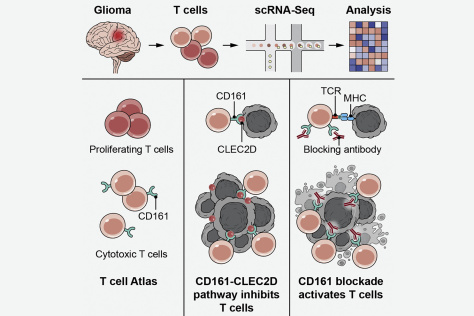
A new paper in Cell from a Bridge Project team working on brain cancer sheds light on how gene expression in T cells affects response to immunotherapy in tumors called gliomas. Single-cell RNA sequencing approaches developed in the Regev Lab highlighted the role of KLRB1. Silencing this gene in cell and animal models enhanced T cell killing of glioma cells, suggesting its utility as an immunotherapy target.

Tying Up Loose Ends in RNA Therapeutics

Chemical & Engineering News

Orna, co-founded by KI member Daniel Anderson and based on strategies developed in his lab offers an alternative to current RNA-based therapies. By connecting the loose ends of linear messenger RNA molecules, Orna’s circularized “oRNAs” could improve stability of mRNA therapies, leading to more efficient delivery of drugs into cells and increased expression of disease-fighting proteins. The company will develop and test their approach in the area of cancer immunotherapy.

Bhatia Tracks Treatment Response

MIT News

Best known for applications in cancer diagnostics, the Bhatia lab’s synthetic biosensor platform can also be used to monitor and understand treatment response. In partnership with Gilead, Bhatia’s startup, Glympse Bio, is using the technology in trials with NASH patients.

Making Mammography-based Risk Assessment More Robust

MIT News

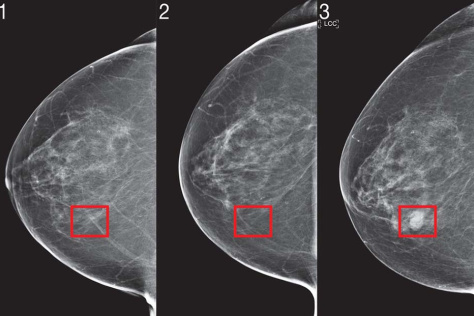
Researchers led by Regina Barzilay and Constance Lehman (Mass General Hospital) developed a new risk-assessment algorithm to improve accuracy, consistency, and equity in breast cancer diagnosis. Described on YouTube and published Science Translational Medicine, the Mirai system incorporates the unique requirements of risk modeling into their AI-driven screening tools and works across diverse populations, leading to equitable healthcare outcomes.